Thinking about buying a vintage home in Riverside’s Wood Streets? You are not alone. This neighborhood stands out for its historic charm, recognizable architecture, and strong sense of place, but buying an older home here is different from buying in a newer Riverside subdivision. If you want to understand what makes Wood Streets special, what to inspect closely, and how to plan for ownership, this guide will help you move forward with confidence. Let’s dive in.
Why Wood Streets Feels Different
Wood Streets is one of Riverside’s best-known historic residential neighborhoods. According to the City of Riverside, the area was orange groves until 1913, when fill across Tequesquite Arroyo helped connect Magnolia Avenue with Downtown and residential subdivision followed.
The city also notes that Wood Streets became a Neighborhood Conservation Area in 1981 and a Historic District in 1986. Nearly all homes were built before World War II, and the neighborhood has a long owner-occupied tradition.
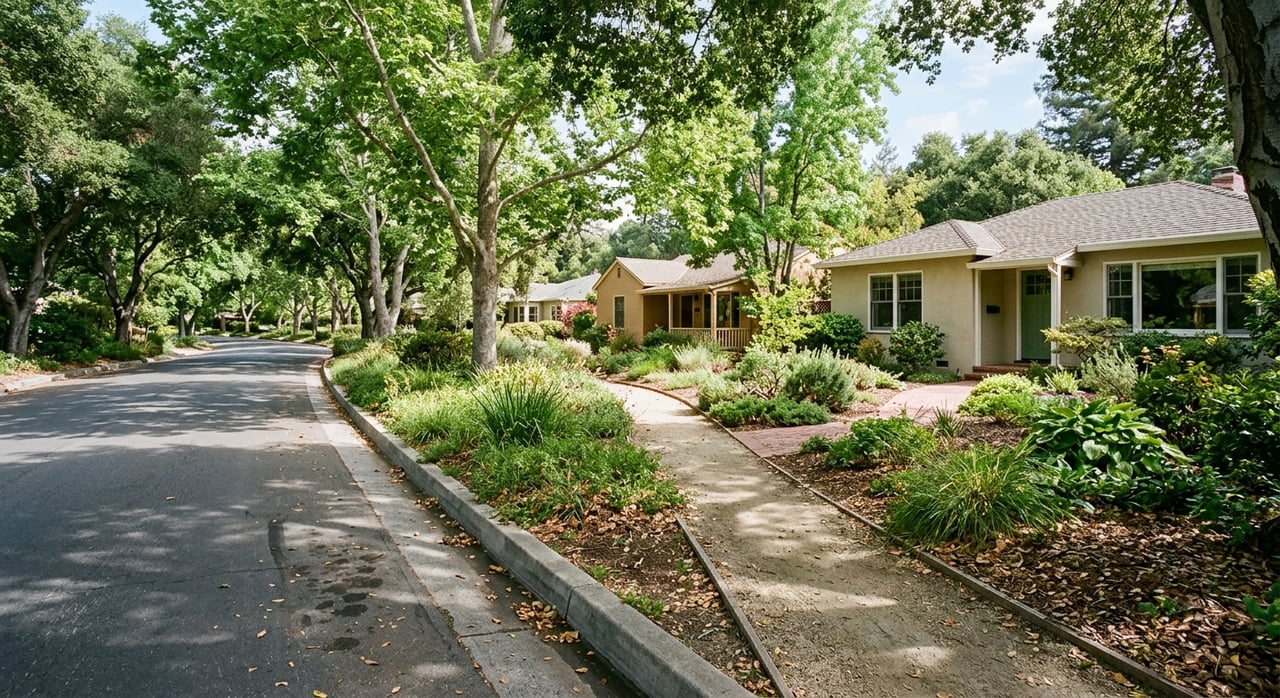
That history shows up in the streetscape. The city describes Wood Streets as one of Riverside’s most cohesive historic areas, with a rigid grid pattern, narrow streets, mature landscaping, and low-density residential use.
What Buyers Love About Wood Streets Homes
If you are drawn to character, this neighborhood delivers. City sources identify strong examples of Craftsman, Spanish Colonial Revival, Tudor Revival, and Colonial Revival homes throughout the area.
In Wood Streets South, the city describes tree-lined streets, pedestrian-scaled lighting, and well-preserved Spanish and California-style bungalows, Craftsman homes, and Colonial houses. For buyers, that often means homes with memorable curb appeal and details that are hard to find in newer construction.
Wood Streets homes were designed in a different era, and that changes how they live. Instead of a modern tract-home feel, you are more likely to see original porches, distinctive windows, detailed trim, and rooflines that define the home’s style.
Common Styles You May See
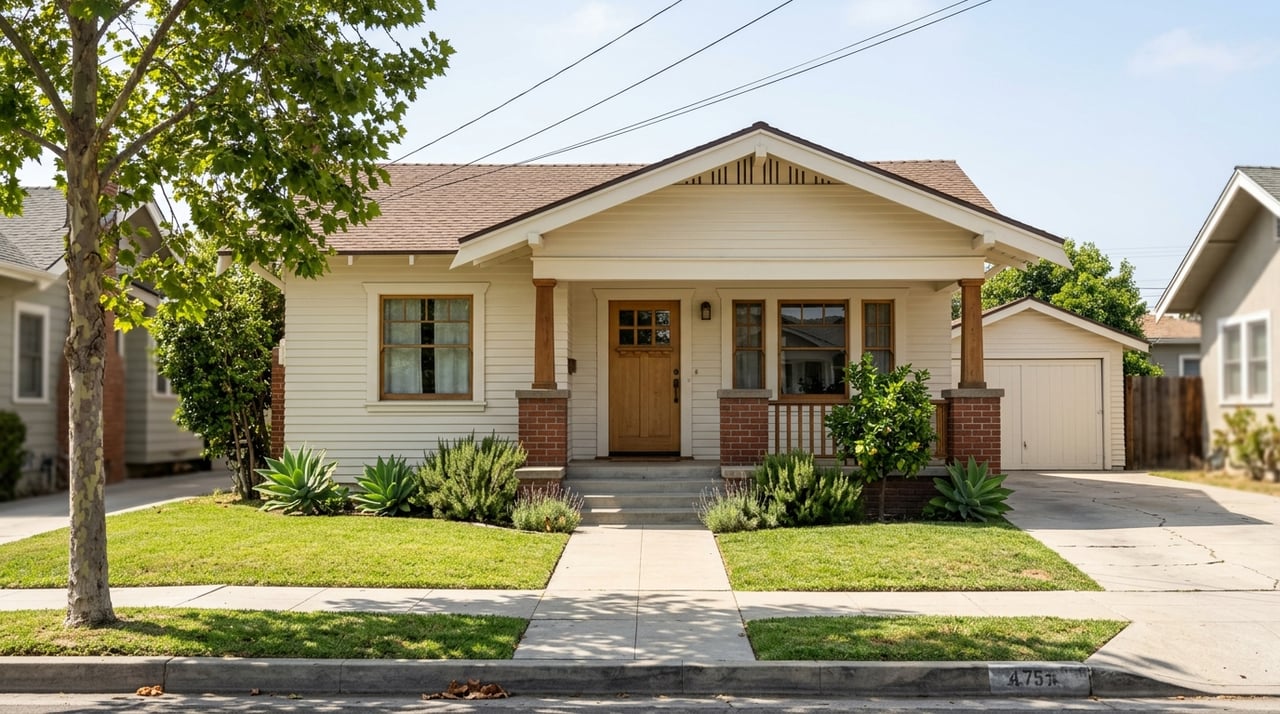
Craftsman homes
Riverside’s historic district guidelines describe Craftsman houses as having low-pitched gable roofs, wide overhangs, exposed rafters, open porches, grouped windows, wood siding, and square or rectangular massing. These homes often feel warm and grounded from the street.
Spanish Colonial Revival homes
Spanish Colonial Revival homes often feature stucco walls and red clay tile roofs. In Wood Streets, this style adds variety and a distinctly Southern California look.
Colonial Revival homes
Colonial Revival homes tend to look more symmetrical and formal. The city’s guidelines note centered entries and porch elements as common traits.
What To Expect From Floor Plans and Features
Older homes in Wood Streets can feel very different from newer homes in neighborhoods like Orangecrest, Mission Grove, or Canyon Crest. The appeal is often in the original design details, not wide-open layouts or newer systems.
That does not make them less functional. It just means you should evaluate the home based on what it is meant to be: a historic property with architectural personality, original materials, and preservation considerations.
If you love the neighborhood, it helps to go in with the right mindset. You are often choosing character, location, and historic identity over the convenience of a newer build.
Inspections Matter More in a Vintage Home
A full buyer’s inspection is the starting point for any older home. HUD says a home inspection should evaluate the structure, construction, and mechanical systems, identify items that need repair or replacement, and estimate the remaining useful life of major systems and finishes.
In Wood Streets, that step is especially important because many homes are older and may have aging systems or materials hidden behind well-kept finishes. A beautiful front porch does not tell you everything about plumbing, electrical, drainage, or structural wear.
You will usually want to think beyond a basic visual walk-through. For a vintage home, the goal is to understand both current condition and the likely cost of preserving or improving the property over time.
Key Issues To Investigate Before You Buy
Lead paint disclosures
Many Wood Streets homes were built before 1978. For most pre-1978 housing, buyers have the right to know about known lead-based paint hazards and to receive an opportunity for an independent inspection before closing.
Older homes are more likely to contain lead paint. That does not automatically mean a property is unsafe, but it does mean you should review disclosures carefully and understand what further inspection may be appropriate.
Asbestos risk during remodeling
Older houses can also contain asbestos in materials such as roofing shingles, ceiling or floor tiles, siding, and pipe wrap. This matters most when materials are damaged or when a remodel could disturb them.
If you are planning updates, use trained professionals when asbestos-containing materials may be involved. In a neighborhood full of pre-World War II homes, this is a realistic renovation consideration.
Wood-destroying organisms
California buyers should also pay close attention to wood-destroying organisms. The California Structural Pest Control Board says most lending institutions require a wood-destroying-organisms inspection before financing a home loan.
For a Wood Streets bungalow, a pest report is often more than extra diligence. It may be part of the loan process, and it can help you understand repair needs before closing.
Earthquake retrofit history
If you are buying an older wood-frame home, ask about earthquake retrofit history. FEMA notes that wood light-frame dwellings have known seismic vulnerabilities and that retrofitting specific weaknesses can improve the chance that a house remains usable after moderate to large earthquakes.
Retrofit needs vary by property. Still, this is an important conversation to have when you are evaluating a pre-war home in Riverside.
Drainage and settling questions
Because part of Wood Streets sits on a manufactured land bridge over Tequesquite Arroyo, it is smart to ask an inspector to pay close attention to grading, drainage, and any known settling history for the specific parcel. This is not a neighborhood-wide conclusion about every property, but it is a reasonable due diligence point based on the area’s development history.
Remodeling Comes With Historic Rules
One of the biggest differences between buying in Wood Streets and buying in a newer Riverside neighborhood is that historic preservation rules may shape what you can change. Riverside’s preservation program requires a Certificate of Appropriateness for rehabilitation, alteration, demolition, relocation, or other changes to designated or eligible cultural resources and to structures within historic districts or neighborhood conservation areas.
That matters if you are dreaming about a fast cosmetic remodel. In Wood Streets, updates may need to respect the home’s historic character and follow city guidelines.
Porches, windows, and doors
The city’s historic district guidelines are clear on several features that buyers often want to change. Historic porches should be preserved or restored, and porch enclosures are considered inappropriate.
The guidelines also say damaged historic materials should be repaired rather than replaced whenever possible. If windows or doors must be replaced, the replacements should match the original style and proportions.
For historic residences, vinyl or aluminum replacement windows are not acceptable under the city’s rules. If deterioration leaves no other option, replacement materials should be in kind.
Why a Repair-First Mindset Helps
Wood Streets ownership tends to reward a repair-first approach. Instead of stripping out original details, owners are often better served by maintaining and restoring what gives the house its identity.
That approach can also bring practical benefits. Riverside’s guidelines note that preserving a porch can help reduce energy bills because of the shade it provides.
When you buy here, your maintenance budget should reflect the home’s age and materials. Original wood windows, trim, roofing details, and exterior finishes often require more thoughtful upkeep than what you might expect in a newer subdivision.
Budgeting for Riverside Climate
Riverside’s climate should also factor into your planning. NOAA normals for Riverside Municipal Airport show average annual precipitation of 9.37 inches, with average highs of 93.3°F in July and 94.9°F in August.
In practical terms, that means exterior paint, roof condition, sun exposure, landscaping, and irrigation deserve real attention during your due diligence. Heat and sun can be tough on older materials, especially if maintenance has been deferred.
Potential Tax Relief Through the Mills Act
If the property is historically eligible and you are thinking long term, there may be a tax-planning benefit worth exploring. The City of Riverside notes that the Mills Act can provide property-tax relief to qualified historic-property owners who actively restore and maintain their buildings.
This will not apply to every buyer or every property, but it is an important question to ask if you are serious about owning and caring for a historic home. It can change the economics of long-term stewardship.
How Wood Streets Compares to Newer Riverside Areas
Buying in Wood Streets is a different choice than buying in newer Riverside neighborhoods. According to city neighborhood descriptions, Orangecrest is a relatively new master-planned community with residential, commercial, educational, and recreational uses and predominantly single-family homes.
Mission Grove is newer as well, with most development since the 1980s and a mix of homes, condos, apartments, retail, and offices. Canyon Crest reflects more modern subdivision design and later growth patterns.
For you as a buyer, the tradeoff is straightforward. Wood Streets offers more architectural character and a tighter historic street grid, while newer neighborhoods generally offer newer systems, more suburban planning, and fewer preservation-related constraints.
Neither choice is automatically better. It depends on whether you value historic charm and original design more than newer infrastructure and flexibility for changes.
Buying Smart in Wood Streets
If Wood Streets is on your shortlist, the best approach is to pair excitement with discipline. Character should draw you in, but inspections, disclosures, and preservation rules should guide your final decision.
A smart Wood Streets purchase usually includes:
- A thorough general home inspection
- Careful review of pre-1978 lead paint disclosures when applicable
- A wood-destroying-organisms inspection
- Questions about earthquake retrofit history
- Close attention to drainage, grading, and settling history
- A realistic maintenance and restoration budget
- Early review of any city preservation requirements that may affect your plans
When you buy with clear expectations, a vintage home can be incredibly rewarding. You get a property with real architectural identity in one of Riverside’s most recognized historic neighborhoods.
If you are considering a home in the Wood Streets and want practical guidance on what to look for before you write an offer, reach out to Adam Schwarz for local insight and a clear buying strategy.
FAQs
What makes Wood Streets homes unique in Riverside?
- Wood Streets homes stand out for their historic architecture, mature streetscape, narrow grid-pattern streets, and large concentration of pre-World War II homes in styles like Craftsman, Spanish Colonial Revival, Tudor Revival, and Colonial Revival.
What should buyers inspect in a Wood Streets vintage home?
- Buyers should start with a full home inspection and also pay attention to lead paint disclosures for many pre-1978 homes, wood-destroying-organisms inspections, possible asbestos in older materials, earthquake retrofit history, and parcel-specific drainage or settling concerns.
What remodeling rules apply to Wood Streets historic homes?
- Riverside requires a Certificate of Appropriateness for certain changes to designated or eligible cultural resources and properties within historic districts or neighborhood conservation areas, and city guidelines emphasize preserving historic porches, windows, doors, and original materials where possible.
Are replacement windows allowed in Wood Streets historic residences?
- The city’s historic district guidelines say original windows should be preserved where possible, replacements should match the historic type and proportions, and vinyl or aluminum replacement windows are not acceptable in historic residences.
How is buying in Wood Streets different from newer Riverside neighborhoods?
- Compared with newer areas like Orangecrest, Mission Grove, and Canyon Crest, Wood Streets generally offers more architectural character and historic identity, while newer neighborhoods typically offer newer systems, more suburban layouts, and fewer preservation-related constraints.
Can owning a historic home in Wood Streets offer tax benefits?
- The City of Riverside notes that the Mills Act can provide property-tax relief to qualified historic-property owners who actively restore and maintain their buildings, depending on property eligibility and program requirements.