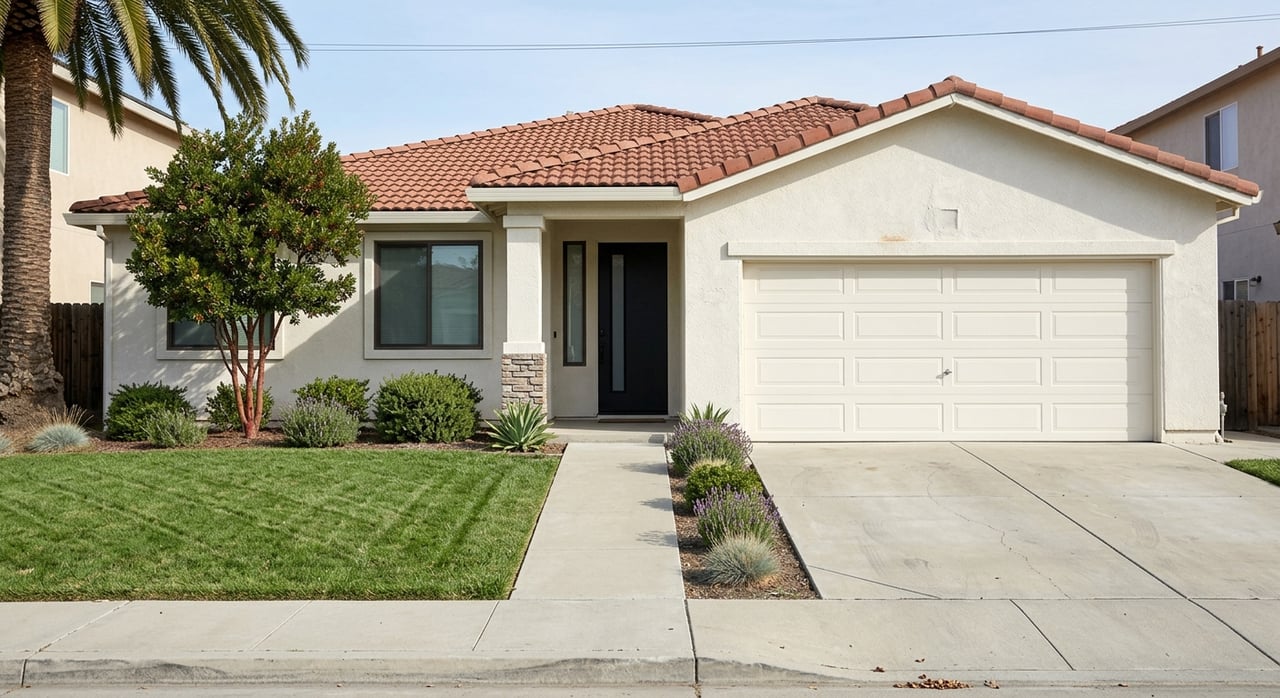
If you love Orangecrest but your current home no longer fits the way you live, you are not alone. Many owners want more space, less upkeep, or a different layout without giving up the parks, library, community spaces, and familiar routine that make this Riverside neighborhood feel like home. The challenge is that moving up and buying within Orangecrest often means juggling two transactions in a market that moves fast. This guide will help you understand your options, avoid common timing mistakes, and make a cleaner plan before you take the next step. Let’s dive in.
Why Orangecrest moves differently
Orangecrest is not just another Riverside neighborhood. The City of Riverside describes it as a master-planned community with residential, commercial, educational, and recreational uses across 2,461 acres, and it remains predominantly single-family housing.
That matters if you want to stay in the neighborhood while changing home size or maintenance level. Because Orangecrest has fewer low-maintenance housing options than condo-heavy areas, your next move may require sharper timing and a more flexible strategy.
From a lifestyle standpoint, many owners want to keep access to the same local network of parks, library services, community amenities, and nearby schools while changing homes. That creates demand from people who are not trying to leave the area, just make a smarter fit within it.
Orangecrest market conditions to know
Current pricing and competition suggest Orangecrest behaves differently from Riverside overall. Redfin reports a median sale price of $739,746, median days on market of 25, and 43.5% of homes selling above list price. It also reports about two offers on average and describes the neighborhood as very competitive.
Zillow places Orangecrest’s average home value at $764,893 as of May 31, 2026, with 49 homes for sale and a median list price of $789,333. Over roughly the same period, Riverside citywide showed a median sale price closer to $639,617 and homes selling in about 35 days.
For you, the takeaway is simple. If you own in Orangecrest, you may have meaningful equity, but your replacement purchase may also require a strong, well-timed offer. That is why the order of operations matters so much here.
Start with your three big decisions
Most move-up plans in Orangecrest come down to three choices. You need to decide whether to sell first, whether temporary financing makes sense, and whether your contract needs contingency language or a short post-closing occupancy arrangement.
These decisions affect your risk, monthly cash flow, and negotiating power. They also shape how attractive your offer looks when another Orangecrest home hits the market.
Decision 1: Sell first or buy first
Selling first usually gives you the cleanest path into your next purchase. You know your proceeds, you remove the uncertainty of waiting for your current home to close, and your next offer may look stronger because it is not tied to a home-sale contingency.
That can matter in Orangecrest, where homes often receive multiple offers and some buyers are trying to keep contingency timelines as tight as possible. In a competitive setting, a cleaner offer can help you compete.
Buying first may still make sense if the right replacement home appears before your current home goes on the market. In that case, some homeowners explore a temporary bridge loan or use a HELOC as a bridge tool in practice to help finance the next purchase while planning to sell the current home within 12 months.
The right choice depends on your cash reserves, comfort with carrying two homes for a period of time, and how much risk you want to take on. A solid plan starts by identifying which downside would hurt more: missing a home you want, or owning two homes longer than expected.
Decision 2: Do you need a bridge strategy?
If you buy before you sell, temporary financing can help you unlock equity before your current home closes. Consumer finance guidance notes that a bridge loan may have a term of 12 months or less and can be used when you plan to sell your current home within that timeframe.
Some owners also use a HELOC as part of a bridge strategy. The practical point is not the product name alone. It is understanding how short-term financing changes your payment picture, your timing pressure, and your fallback options if your current home takes longer to sell.
In a neighborhood like Orangecrest, where market activity is relatively fast, some homeowners accept that tradeoff to move decisively. Others prefer the certainty of selling first, even if it means arranging temporary housing or negotiating more carefully around dates.
Decision 3: Which contract tools fit your plan?
A contingency is simply a condition that must be met before the purchase can be completed. For a move-up buyer or seller, the most important tools often include financing, appraisal, inspection, home sale, home close, continue-to-show terms, kick-out clauses, and rent-back language.
The California Department of Real Estate advises buyers to make sure their offer includes the contingencies or special conditions they want, such as loan qualification, repairs, pest inspections, home inspections, and home warranty programs. It also notes that California offers can be contingent on the sale of the buyer’s property, and that a seller counteroffer can be contingent on finding a replacement property.
In plain English, your contract needs to match your actual plan. If you need your current home to close before you can complete the next purchase, that timing should be written clearly and handled carefully.
How Orangecrest sellers often sequence the move
There is no single best sequence for every household, but most Orangecrest move-up plans follow one of three paths. Each one has tradeoffs.
Path 1: Sell first
This path usually offers the most clarity. You sell, know your net proceeds, and shop for your next Orangecrest home with fewer unknowns.
The upside is stronger negotiating position on the buy side. The downside is that you may need temporary housing or a storage plan if your replacement home is not ready in time.
Path 2: Buy first
This path can work if the ideal replacement home becomes available before you are ready to list. It may let you move once instead of twice, which can feel simpler from a day-to-day standpoint.
The tradeoff is financial pressure. You may be carrying overlapping housing costs, using short-term financing, or facing tighter deadlines to get your current home sold.
Path 3: Close close together
Some homeowners try to line up both closings as tightly as possible. When dates do not match perfectly, a short rent-back can help bridge the gap.
A rent-back is a negotiated post-closing occupancy arrangement that lets the seller remain in the home for a short time after closing. This can be useful when your replacement home closes shortly after your sale, but not on the same day.
Why contingency strength matters in Orangecrest
Because Orangecrest is a competitive submarket, any contingency tied to your current home needs to be realistic and well documented. A seller may accept a home-sale or home-close contingency, but that does not mean they want an open-ended timeline.
National guidance on contract contingencies notes that if a seller accepts certain contingent terms, the seller may still keep showing the property and may use a kick-out clause if a better non-contingent offer appears. For you, that means a contingent offer may be accepted, but it may not be fully secure if your timeline drags.
This is where preparation matters. Before you write on the next home, you want a clear pricing strategy for your current home, a realistic estimate of market time, and tight communication around each milestone.
Timing language matters more than most owners think
California transaction timing is not something to handle casually when you are coordinating two deals. The California DRE reference material notes that contingency removals should be in writing and that contracts are time-sensitive.
That is especially important when you are moving within Orangecrest and trying to line up sale proceeds, possession dates, inspections, and lender deadlines. If your plan depends on specific timing, that timing needs to be explicit.
Small wording issues can create big stress later. Clear dates and clean expectations help reduce surprises for both sides.
A quick Proposition 19 note
If you are age 55 or older, severely and permanently disabled, or eligible as certain wildfire or disaster victims, Proposition 19 may be a major part of your move-up decision. The California Board of Equalization says eligible homeowners may transfer a base-year value to a replacement primary residence anywhere in California, as long as the replacement purchase or new construction happens within two years of the original sale.
That can materially affect your future property tax picture. For some Orangecrest owners, tax portability is just as important as sale price when comparing whether the next move makes financial sense.
There is also a timing issue to watch. The BOE says the claim is filed with the county assessor after both transactions are complete and you are living in the replacement home, not through escrow.
If you buy the replacement home before your original home sells, the BOE says you will pay property taxes based on the full fair market value during that gap period, and there is no refund for that period. That makes cash-flow planning especially important if you are thinking about buying first.
Rent-back versus sale-leaseback
These two terms sound similar, but they are not the same. A rent-back is a short-term occupancy arrangement negotiated as part of a normal sale.
A sale-leaseback is different because you sell the home and become a renter. Federal consumer warnings note that sale-leaseback offers can involve high rent, hefty fees, and eviction risk.
If your goal is simply to stay in the home briefly after closing while your next Orangecrest purchase is finalized, make sure you are talking about a short rent-back and not something entirely different.
How to plan your Orangecrest move-up sale
Before you list or shop, it helps to build the plan in the right order. That usually means starting with your equity position, your likely payment on the next home, and your tolerance for overlap.
Here are the questions worth answering early:
- How much equity do you likely have in your current Orangecrest home?
- Do you need those proceeds before you can buy?
- Would a contingent offer be competitive enough for the homes you want?
- Would a short rent-back solve the date gap more cleanly?
- If Proposition 19 may apply, how does timing affect your tax plan?
When the answers are clear, your next steps get much easier. You can price your current home more strategically, prepare stronger terms on the purchase side, and avoid last-minute decisions that reduce leverage.
The value of local execution
Moving within the same neighborhood sounds simple until the timing gets real. In Orangecrest, where pricing and competition can move differently from the rest of Riverside, neighborhood-specific advice matters.
You want a plan that balances sale price, timing, and contract strength without adding unnecessary risk. That means looking closely at Orangecrest comps, current buyer demand, and the structure of both transactions, not just treating the move like a standard sale and purchase.
If you are thinking about selling and buying within Orangecrest, the smartest first step is to map out your sequence before you tour the next home. For a data-driven plan built around your equity, timing, and next-home goals, connect with Adam Schwarz.
FAQs
What makes moving within Orangecrest different from moving elsewhere in Riverside?
- Orangecrest has higher pricing and faster market pace than Riverside overall, with a median sale price of $739,746, about 25 median days on market, and a competitive environment where many homes receive multiple offers.
Should you sell your Orangecrest home before buying another one?
- Selling first often creates a cleaner and more competitive purchase offer, but the best choice depends on your equity, cash flow, and whether you are comfortable with temporary housing or overlapping costs.
What is a home-sale contingency in an Orangecrest purchase?
- A home-sale contingency means your purchase depends on selling your current home first, and in a competitive market it usually needs tight timing and clear documentation to remain attractive to the seller.
Can a rent-back help when selling and buying in Orangecrest?
- Yes, a short rent-back can help if your current home sells before your replacement home is ready, because it allows you to stay in the sold property for a negotiated period after closing.
How does Proposition 19 affect an Orangecrest move-up buyer?
- If you are eligible, Proposition 19 may allow you to transfer your property tax base to a replacement primary residence in California, but the order of your sale and purchase can affect your short-term tax costs during any gap period.